Muse — technology for creative, curious children
Through the summer of 2024, my friends and I launched Muse, an ecosystem for storytelling, world building, and multi-modal play. Our products in development include an iPad app, a parental companion website, and a smart plush that talks to you.
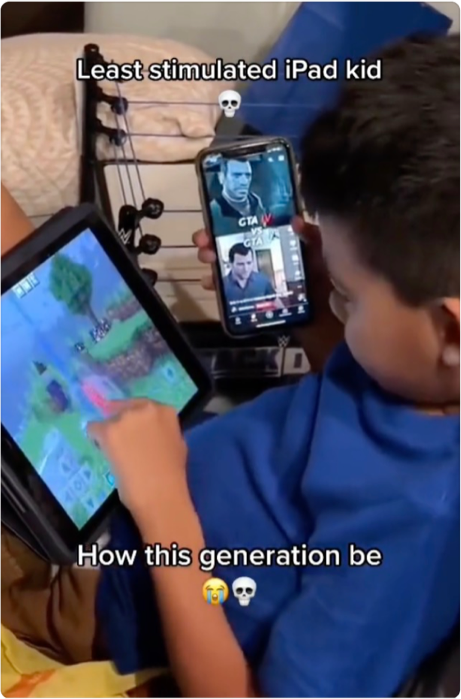
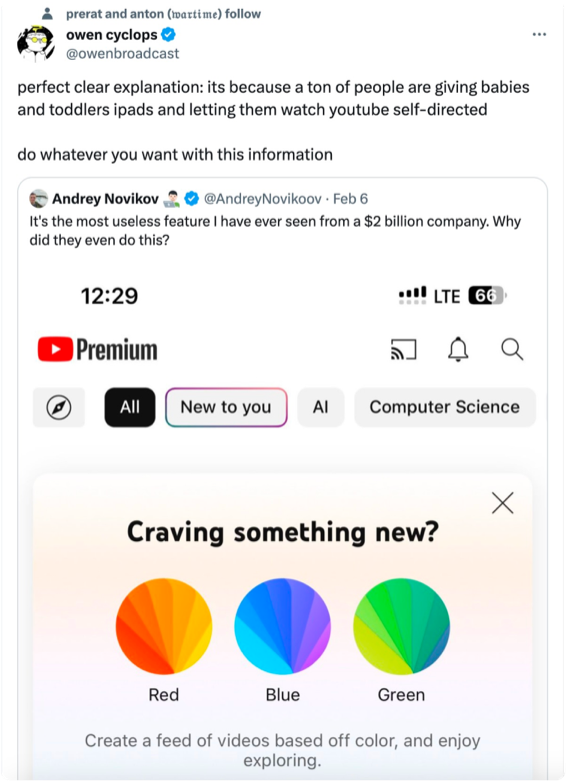
The problem: We are doing a disservice to our next generation of kids with the technology we've made for them.
We live in a world where 80% of families with children have tablets. 89% of the time kids 6-12 spend online is on Youtube. 95% of that content has little or no educational value.

The opportunity: Between practicing basic arithmetic and phonics and entering teenage adolescence, there are no significant digital experiences tailored for kids ages 6-12.
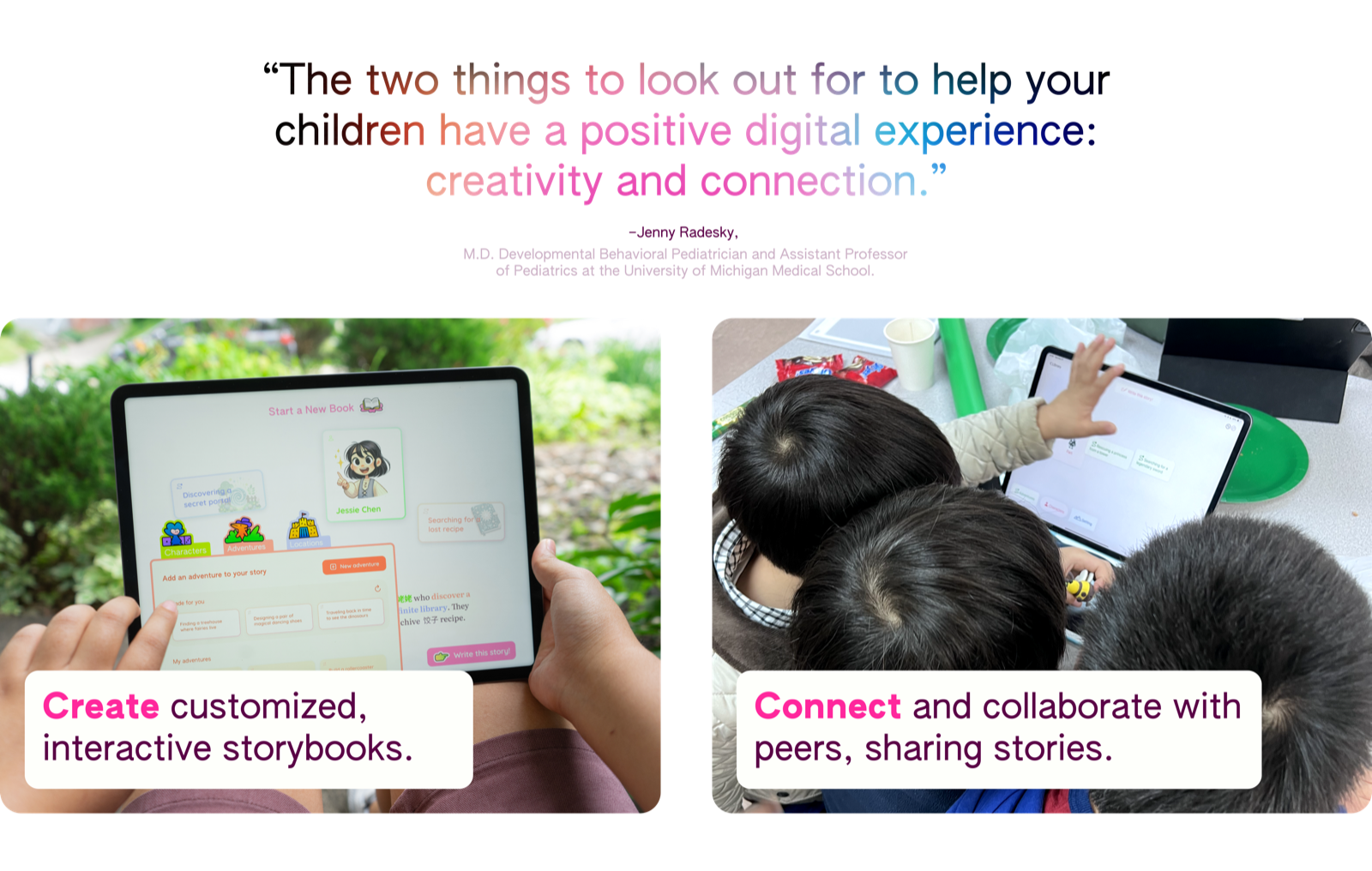
Muse will be the convergence between the medium defining childhood in 2024 — screens — and what defined childhood in the decades preceding — books.
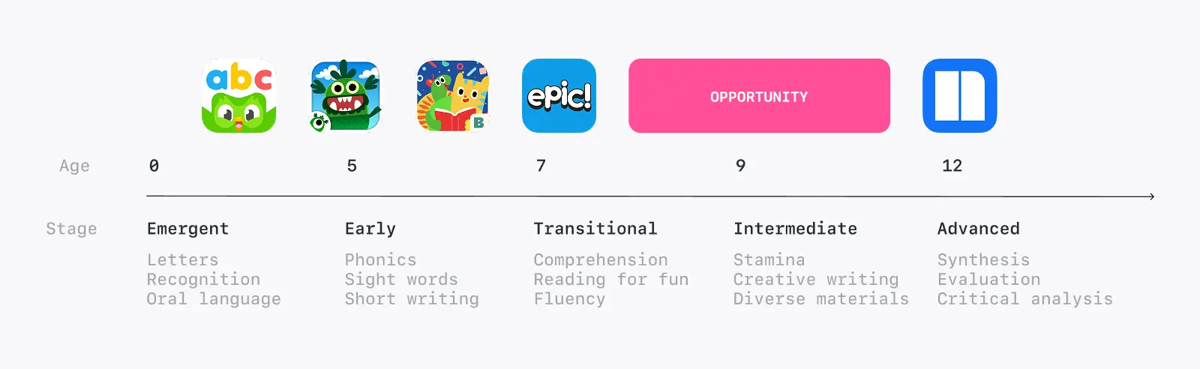
This further fills the gap for edtech supporting literary skills in children aged 6-10.
Our hypothesis: Improve children's literacy with interactive reading experiences co-created between children and AI.
Scholastic reports that ninety-one percent of children ages 6–17 say “my favorite books are the ones that I have picked out myself.” Imagination and creativity are core drivers of what motivates us to read. Could we take that to the next level with the imaginative power of AI?
Approach: We designed a platform for kids to create and publish with generative AI, resulting in a space for content that's made truly for kids, by kids.
We were tasked with interesting challenges to push visual creativity and fidelity to create something familiar and engaging for children.
Early visual explorations in motion and form.
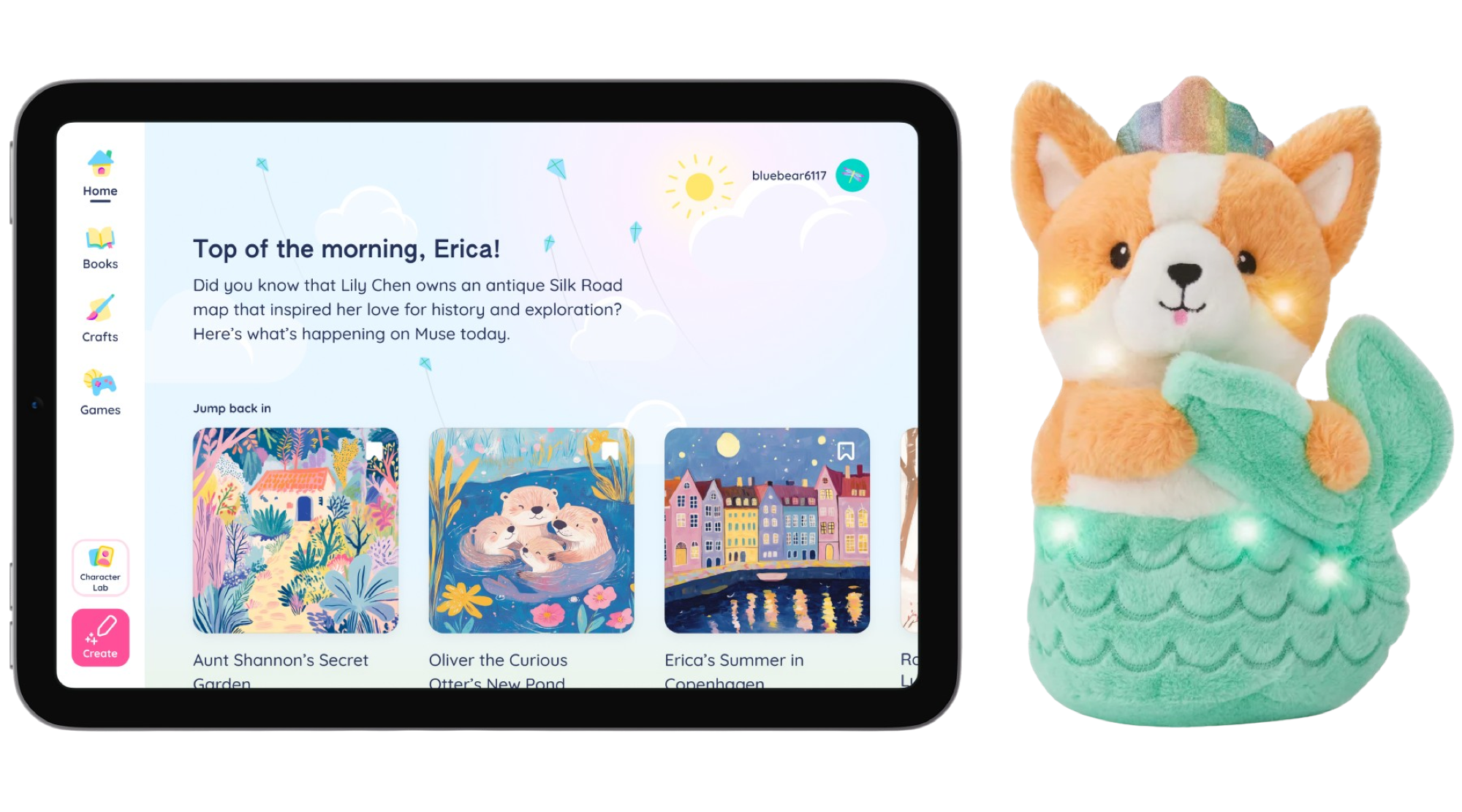
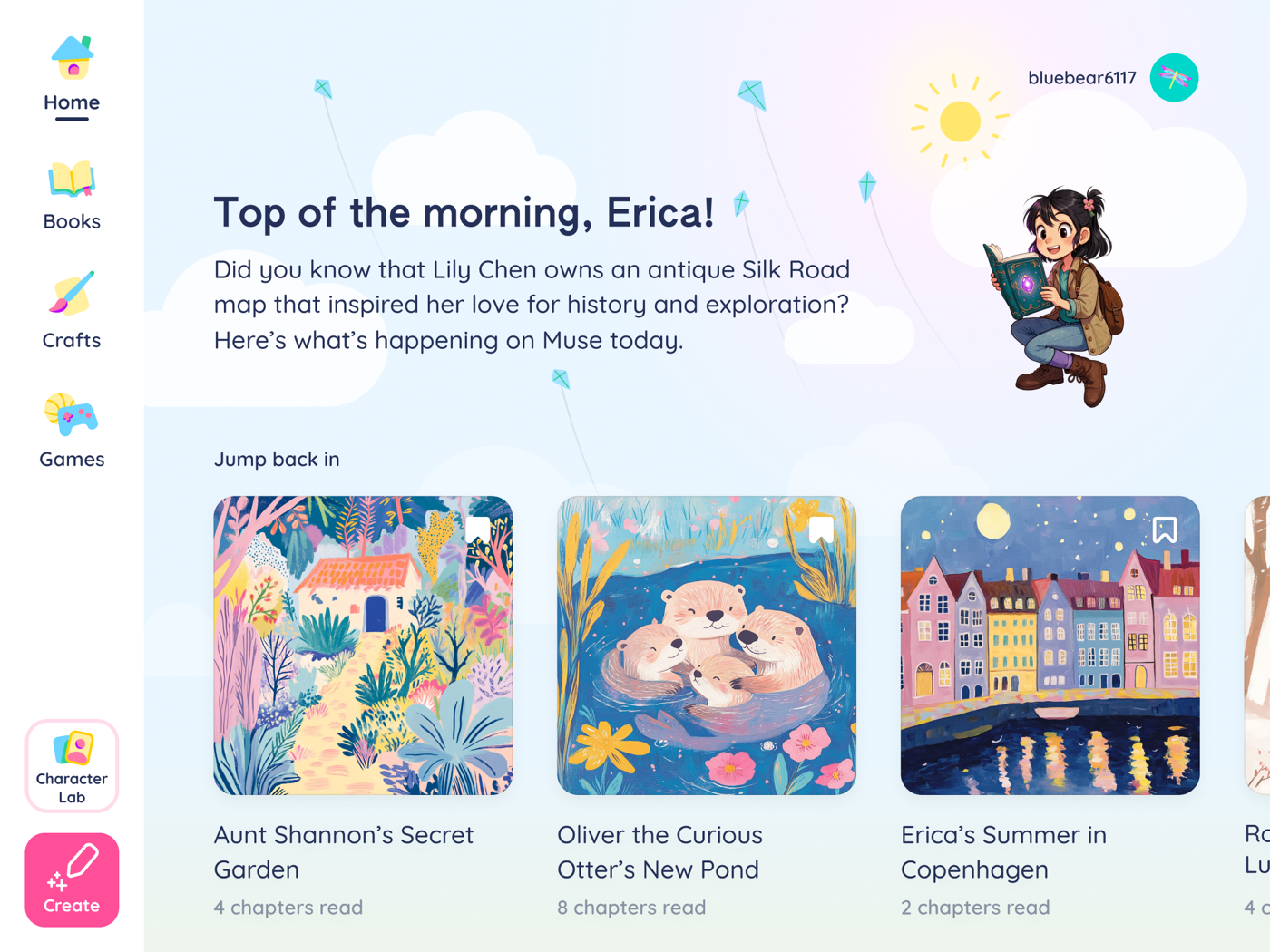
We landed on a personalised home page, with engaging narratives about characters already familiar to you, to pull you right back in.
On Muse, children are empowered to publish stories they're proud of. For sake of safety and privacy, only select content is shared publicly after being vetted by a human. We chose to put shared kids' content behind the scheme of “Editor's Picks” to both add a gamified element, as well as as a fun and creative approach to privacy.
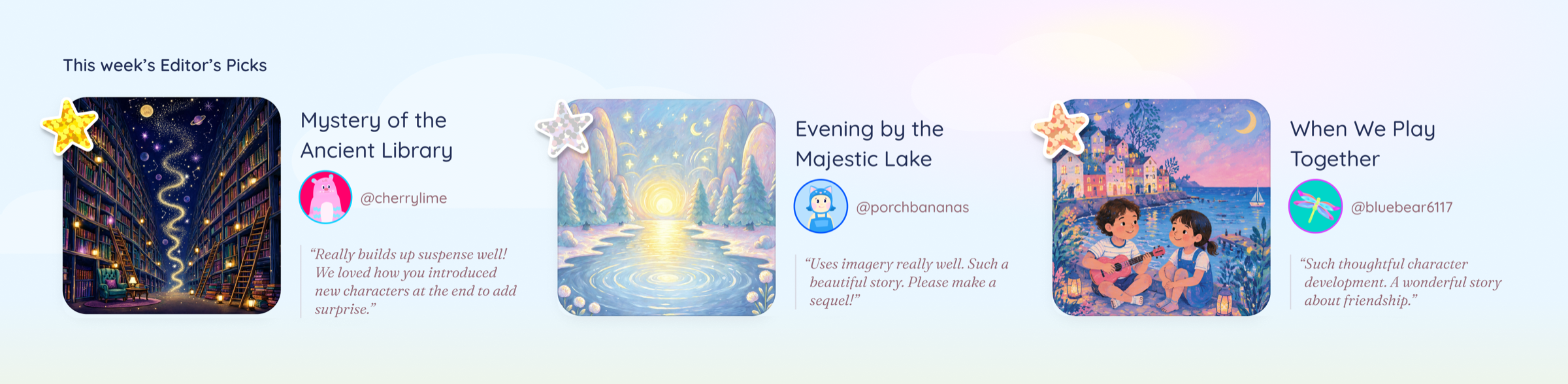
Editor's Picks components are designed to look and feel more “special” than other stories.
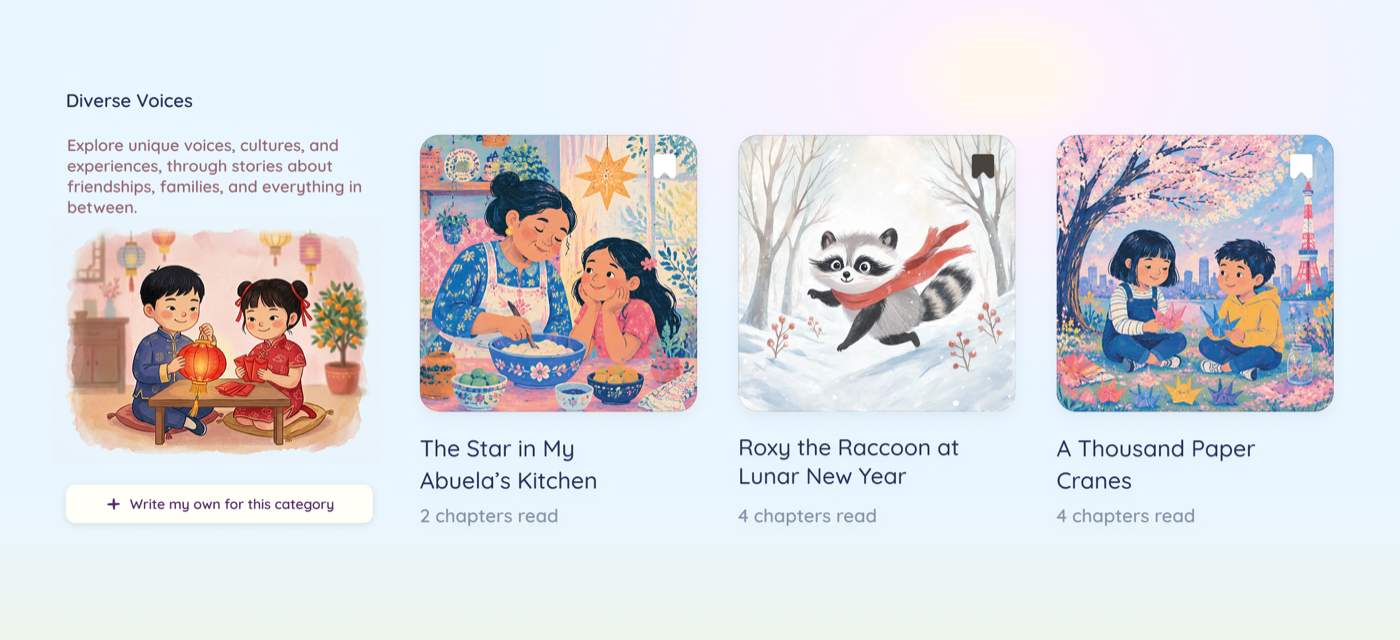
We also believe that beyond having fun, storytelling can be a means to better understand the world + ourselves. We created a “Categories” feature to encourage users to explore specific topics.
Assemble characters, locations, and adventures to start a story. The creation space takes after whiteboards and canvases, comfortable biases we understand to associate with drafting, sketching, brainstorming, and infinite bounds.
“Look for fairly blank canvases that allow your children room to experiment and play”
Muse will assemble a prompt for you.
Co-create custom characters.
Pages are designed with engaging interactions that encourage and reward continued reading.
Learn about literary techniques while personalising your story.
Bring your characters to life.
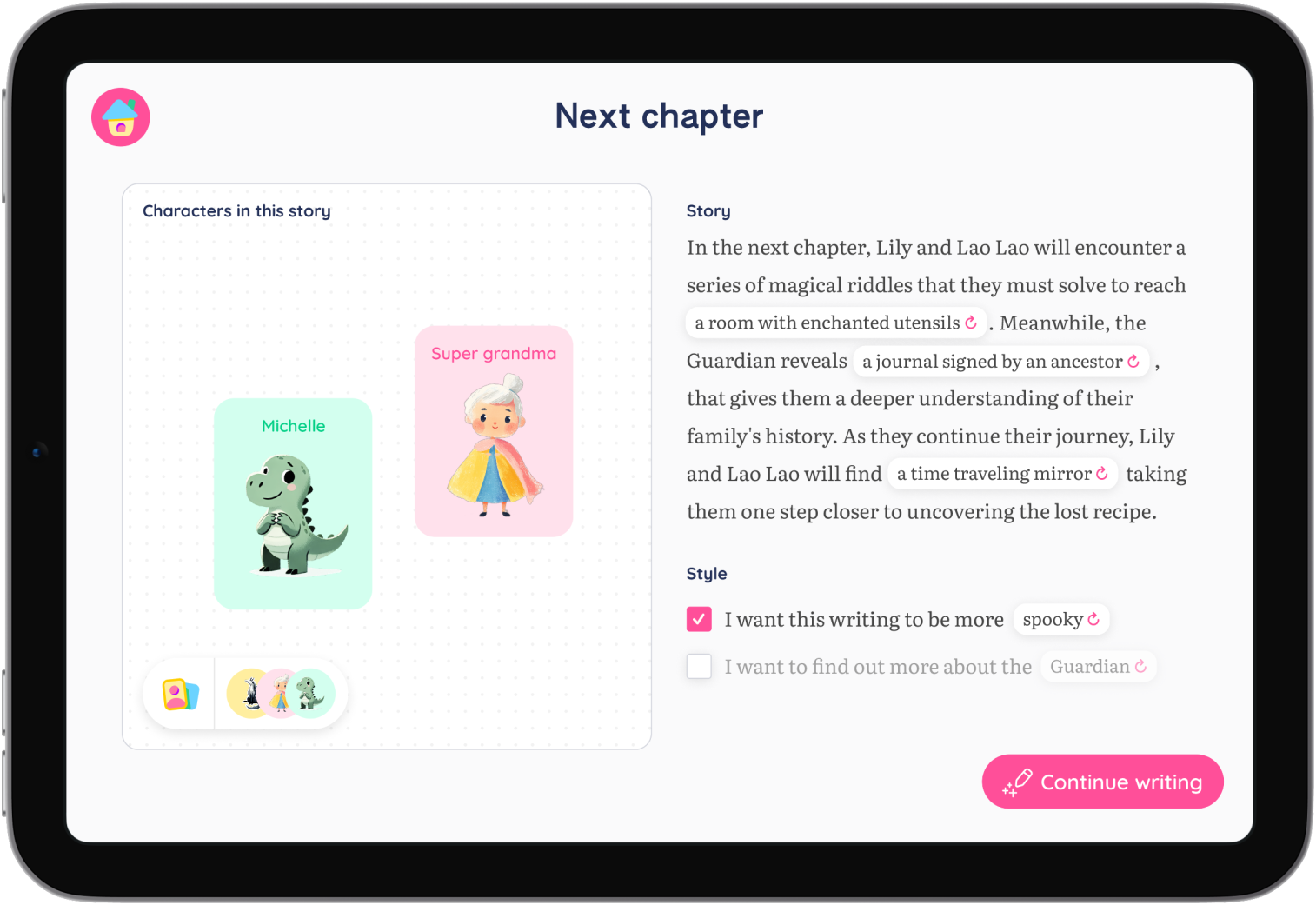
When a chapter is finished, there is the option to customise how the story continues. Users can toggle between contextually-relevant plot changes, guide the writing style and voice, and also edit characters and their motives.
Outside of the stories, you can play in the Character Lab, a universe of characters that remember their stories and interact with each other.
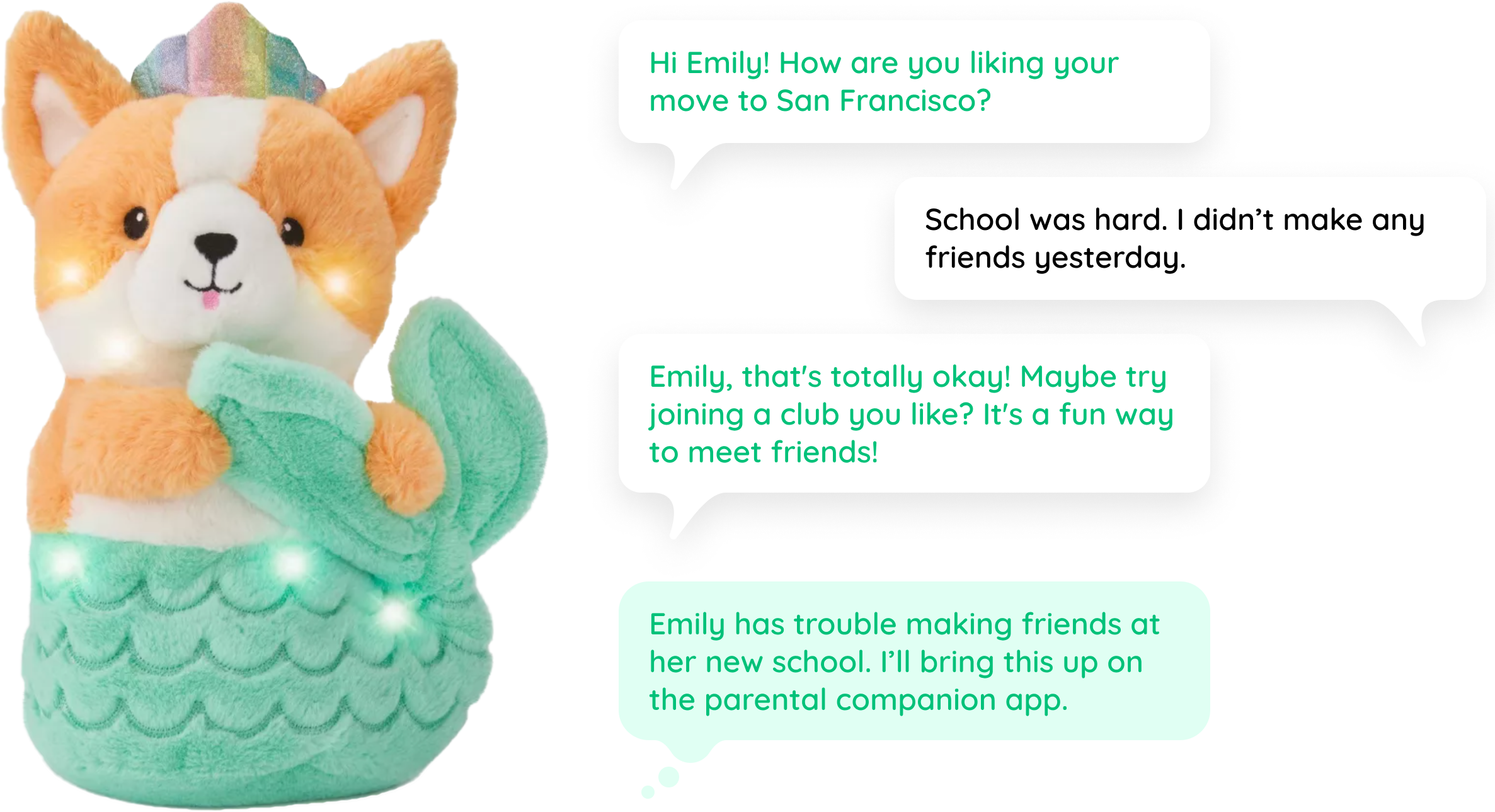
Muse Friends: Companion to the Muse literary app, we built a conversational AI soft toy that explores how storytelling can be a means to better reflect on and digest our personal lives, no matter what age.
The plush is based on a character made in Muse and able to talk to their kid with the live context of the stories it's been in, as well as conversation points a parent can request from a companion web app.